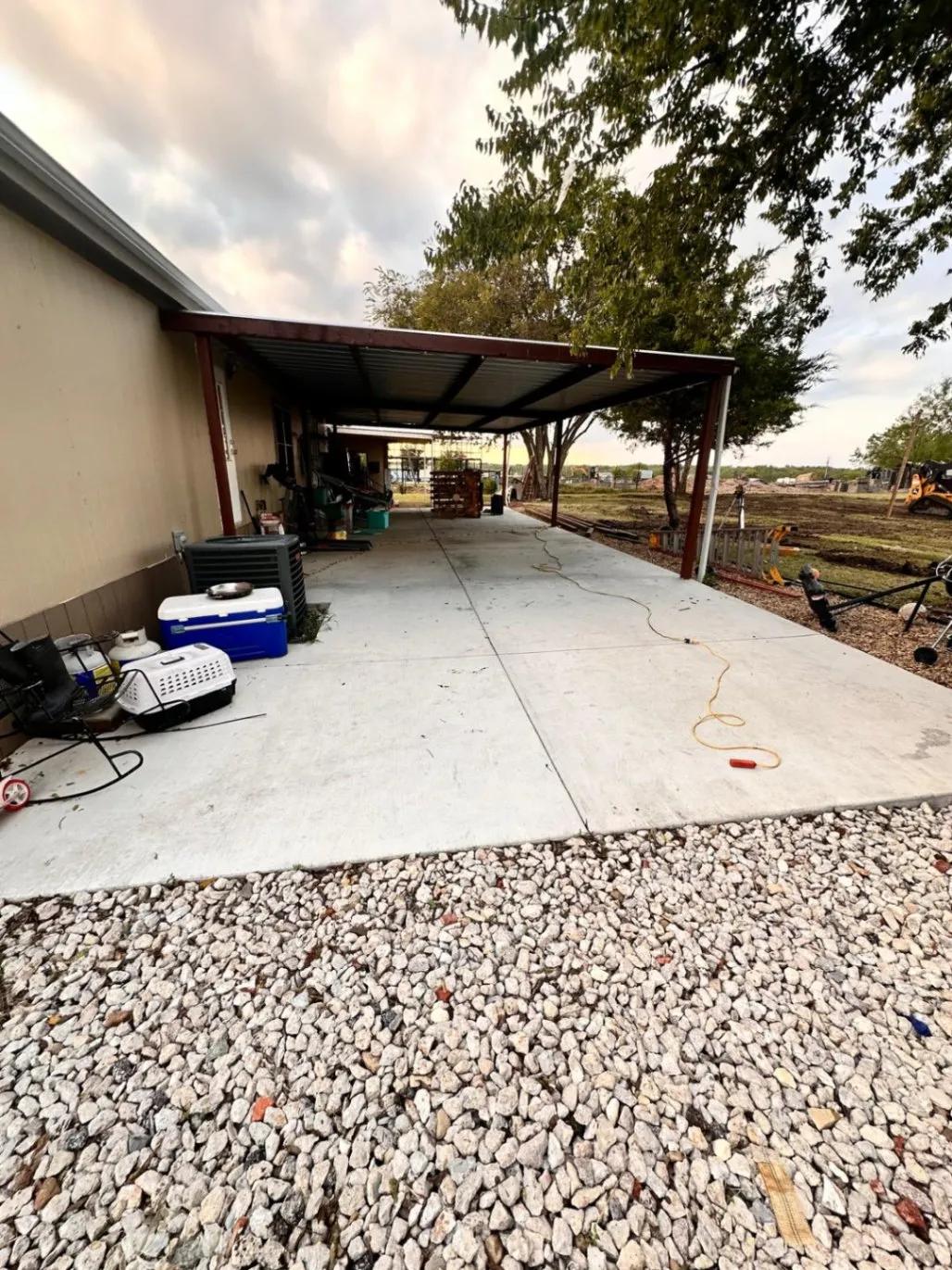
The Importance of Proper Concrete Curing
Concrete is a fundamental material in construction, and its longevity and durability greatly depend on how well it is cured after installation. At C. Vegas Concrete, we prioritize proper curing techniques to ensure that every project, from sidewalks to concrete foundation installations, meets the highest standards of quality. This article will explore the significance of proper concrete curing and provide valuable insights for homeowners and contractors alike.
What is Concrete Curing?
Concrete curing refers to the process of maintaining adequate moisture, temperature, and time to allow the concrete to achieve its desired strength and durability. Curing starts immediately after the concrete is placed and can continue for several days, depending on environmental conditions and the specific mix used.
Why is Concrete Curing Important?
Proper curing is critical for several reasons:
- Enhances Strength: Curing allows the concrete to reach its full strength potential, which is essential for structural integrity.
- Prevents Cracking: Adequate moisture during the curing process helps prevent surface cracking, which can lead to costly repairs.
- Increases Durability: Well-cured concrete is more resistant to weather conditions, chemicals, and wear, extending the lifespan of your concrete installation.
- Improves Surface Quality: Curing contributes to a smoother surface finish, reducing the likelihood of damage and enhancing aesthetic appeal.
Curing Methods for Different Concrete Services
At C. Vegas Concrete, we utilize various curing methods tailored to different services we provide. Here’s a breakdown of effective curing methods for some of our key offerings:
1. Concrete Driveway Installation
For concrete driveways, we often use water curing techniques, where we keep the surface moist by spraying water or using wet burlap. This method helps prevent cracking and ensures a strong, durable surface.
2. Concrete Patio Installation
With concrete patios, we may employ curing compounds that form a membrane on the surface to retain moisture. This method is particularly effective in dry conditions.
3. Sidewalk and Paving Projects
For sidewalks and paving, we utilize a combination of water curing and curing blankets. These blankets help retain heat and moisture, especially during cooler temperatures.
4. Retaining Walls and Foundations
In the case of retaining walls and concrete foundations, maintaining moisture is crucial. We ensure that these structures are covered with wet burlap or plastic sheeting to keep them adequately hydrated.
Best Practices for Concrete Curing
To achieve optimal curing results, consider these best practices:
- Start curing as soon as the concrete is finished setting.
- Choose the right curing method based on the type of installation and environmental conditions.
- Monitor moisture levels regularly, especially in dry or windy conditions.
- Avoid curing in extreme temperatures, as both excessive heat and cold can affect the curing process.
Conclusion
Proper concrete curing is a vital aspect of any concrete project, influencing the strength, durability, and overall quality of the finished product. At C. Vegas Concrete, we are committed to utilizing the best curing practices tailored to each specific service we offer, from concrete driveways to retaining walls. By understanding the importance of curing and implementing effective techniques, you can ensure that your concrete investments stand the test of time. For more information on our concrete services, or to schedule a consultation, visit us at cvegasconcrete.net.